Field guide / Form and comfort
Architecture Outside the Ordinary
An unusual building can intensify your sense of place. Its real achievement is making that experience comfortable without pretending the weather, site or daily routines have disappeared.
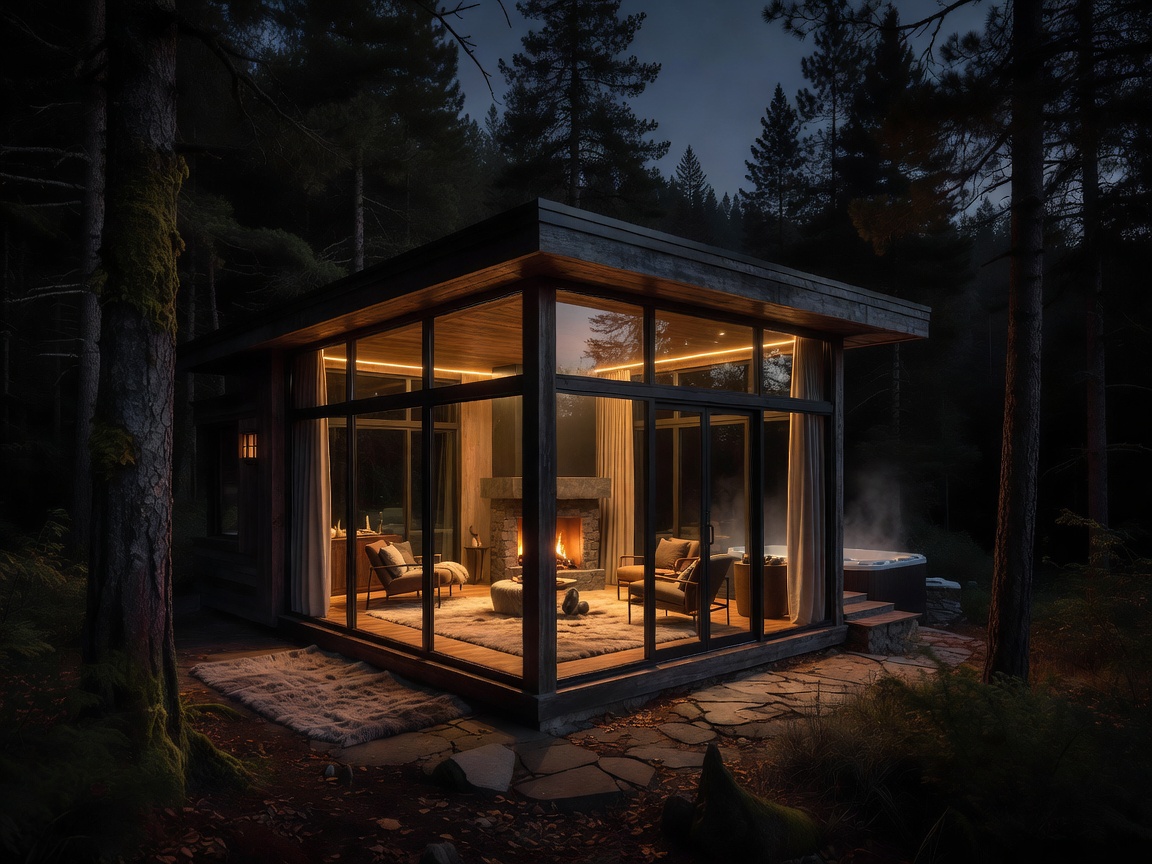
Begin with the room after sunset
Glass structures are often photographed during the brief moment when the landscape remains visible and the interior begins to glow. It is a beautiful moment, but not a complete account of a stay. After dark, internal reflections can dominate the view. With lights on, a transparent wall can expose occupants rather than conceal them. Ask about blinds, curtains and sightlines from paths or neighbouring buildings.
Thermal performance depends on the glazing specification, frame details, orientation and climate. A large glass area does not by itself tell you whether a room is cold, efficient or prone to overheating. Good insulation elsewhere cannot automatically cancel every glazing loss. Conversely, a thoughtfully designed glazed space may be comfortable when shading, ventilation and heating are properly integrated.
For aurora-focused accommodation, separate the possibility of seeing the sky from a promise of seeing the northern lights. Cloud, daylight, solar activity and local light conditions all matter. No shape of roof can guarantee an astronomical event.
Raised rooms need grounded questions
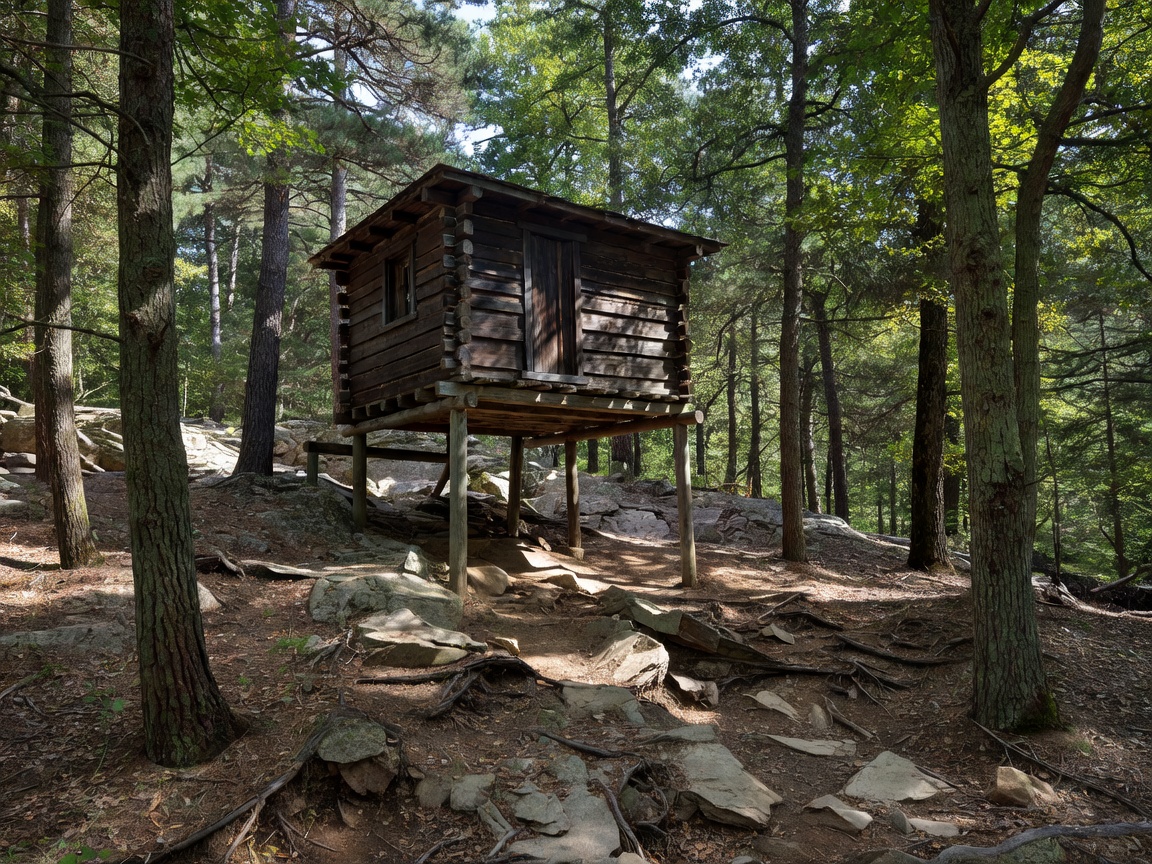
A treetop or elevated cabin creates a distinctive relationship with the ground. It can preserve a sense of lightness and open views, yet access may involve stairs, bridges or narrow walkways. Ask whether the route becomes slippery, whether handrails are continuous and whether you can reach the bathroom without leaving the room.
Foundations and supports are site-specific. A raised floor is not proof that construction avoided ecological disturbance, and a small visible footprint does not reveal everything below the surface. Installation access, tree protection, drainage and future maintenance all matter. In exposed settings, wind and movement can also affect how the building feels, even where the structure is functioning as designed.
Consider your own comfort honestly. A memorable staircase is less appealing when it conflicts with mobility needs or repeated trips with luggage. Distinctive architecture should expand your experience, not turn basic routines into an unwelcome challenge.
Read real projects without copying their promises
The Treehotel in Harads, Sweden, is a useful reference for how very different room forms can share a forest setting. Mirrorcube and Bird’s Nest illustrate contrasting approaches to visibility and enclosure. Their architectural interest does not establish that all mirrored or treetop structures perform alike. Each project has its own construction, operation and site conditions.
Norway’s Juvet Landscape Hotel offers another reference point: framed views and carefully positioned rooms rather than a single spectacular silhouette. The point is not to rank these places, but to notice how orientation, distance between rooms and the treatment of the ground help shape an experience. Architectural photographs usually emphasise selected angles. Plans, access descriptions and ordinary interior photographs reveal different information.
Mirrored surfaces deserve particular scrutiny around birds. Reflective or transparent glazing can create collision risks; effective mitigation requires appropriate design and assessment. Do not assume that visual camouflage for people is harmless to wildlife. Ask the operator what measures have been taken rather than treating a reflective facade as an environmental credential.
Check the everyday sequence
Imagine returning wet, warming up, preparing a drink, using the bathroom and sleeping through a bright summer night. Where do boots dry? Can you control ventilation without admitting insects? Is there usable storage, or does the striking room rely on keeping every possession out of the photograph?
Condensation is another useful question. Moisture can come from people, cooking and wet clothing, while cold surfaces create conditions for it to collect. The appropriate response is building-specific; guests should follow operator instructions rather than block vents or adjust unfamiliar equipment. Clear guidance is a positive sign that the room has been considered as a working environment.
A good architectural retreat makes its compromises legible. You might happily trade floor area for a remarkable view, or accept a separate washroom for a simpler shelter. The important thing is to know what you are choosing before the setting persuades you that the details will not matter.
Look at the hidden systems