Field guide / Access and isolation
Retreats Beyond the Road
The right distance is not necessarily the greatest distance. Choose a place whose access demands fit your experience, mobility, time and tolerance for disruption.
Choose the separation, not the photograph
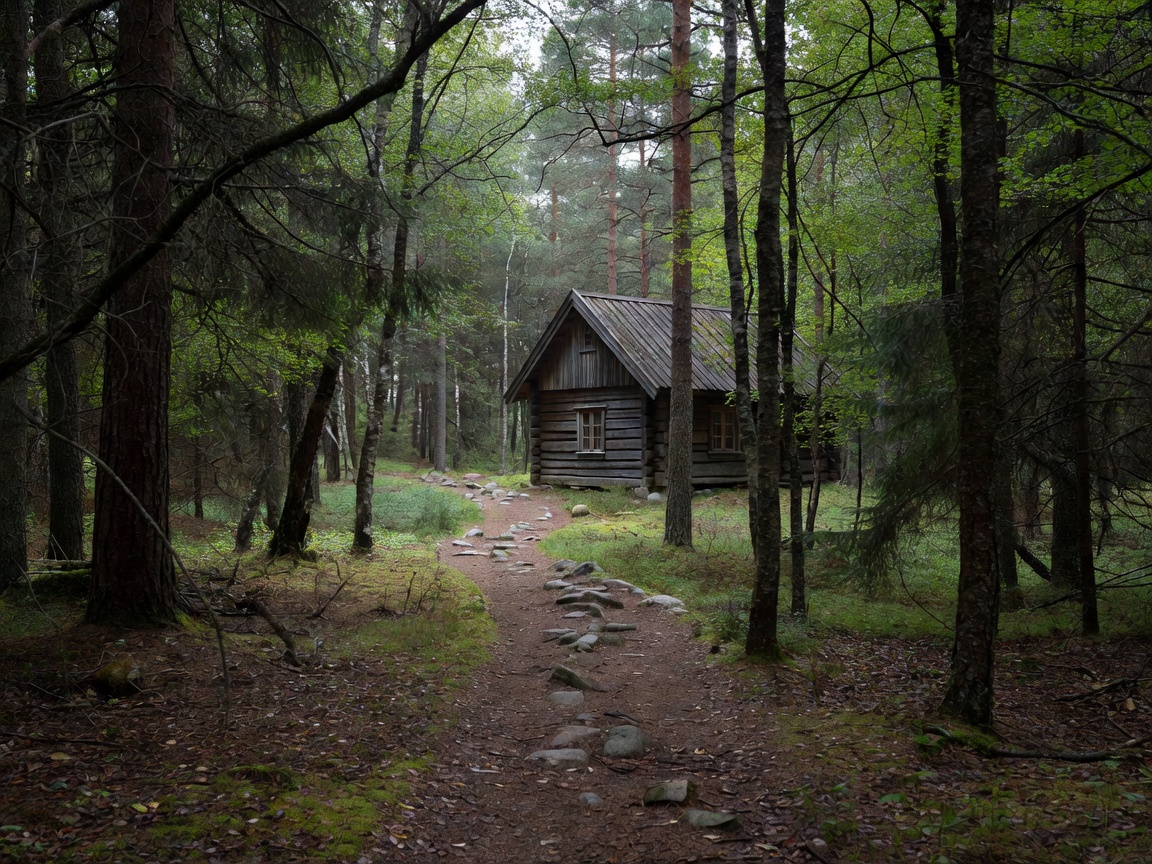
A cabin surrounded by trees can feel wonderfully removed from ordinary life while remaining a short walk from parking. That is not a lesser experience. Road-adjacent seclusion can suit a first winter visit, mixed-mobility group or family carrying supplies. It may also make maintenance and emergency access simpler, although neither is guaranteed by proximity alone.
Deeper isolation changes the arrangement. On an island, your schedule may depend on a boat operator and safe crossing conditions. Beyond the road, luggage weight becomes meaningful and an unexpected thaw can matter more than the room’s amenities. Decide whether you want quiet surroundings, digital disconnection or genuine logistical separation. These are different goals, and a single property may offer only one.
Ask for an arrival description in plain language. “A short transfer” should become a named transport mode, an approximate duration supplied by the operator, a meeting point and a clear explanation of what happens if you arrive late.
Read the final mile carefully
The last stage of a journey often carries the greatest uncertainty. Compare the actual dependencies rather than treating all remote stays alike.
| Arrival pattern | Practical dependency | Question to ask |
|---|---|---|
| Road, then a short path | Road clearance, parking and walking surface | Is the full route maintained for my dates? |
| Scheduled boat or ferry | Timetable, weather and onward connections | Who arranges accommodation if the crossing is cancelled? |
| Guided winter transfer | Snow conditions, operator availability and luggage limits | What is the alternative if the usual vehicle cannot run? |
| Walk-in shelter | Navigation, terrain, daylight and personal capability | Is this a serviced retreat or a self-reliant backcountry trip? |
A labelled transfer is not automatically an accessible transfer. Ask about steps, seating, toilet access, walking gradients and the help available with bags. Where access matters to your group, request specific measurements or photographs rather than accepting “easy” as a useful description.
Let the region change your expectations
Lofoten combines inhabited fishing communities with exposed coastal landscapes. Its dramatic scenery should not be confused with universal isolation. A cabin near a village and a shelter requiring onward boat travel can have very different support networks. On Senja, mountain weather and the location of your accommodation similarly matter more than the island’s broad reputation.
In Finnish Lapland, places around Inari and Kilpisjärvi prompt different questions about winter darkness, road access and distance to services. Around Abisko in Swedish Lapland, established transport connections do not make every side route straightforward. Iceland’s Westfjords introduce another pattern: settlement, road conditions and seasonal services can be widely separated. These examples are geographical context, not endorsements of individual properties or routes.
Use current primary information. Norway’s Norwegian Public Roads Administration, Sweden’s Trafikverket, Finland’s Fintraffic and Iceland’s road information service are more appropriate for current transport checks than an evergreen retreat article.
Plan for an ordinary inconvenience
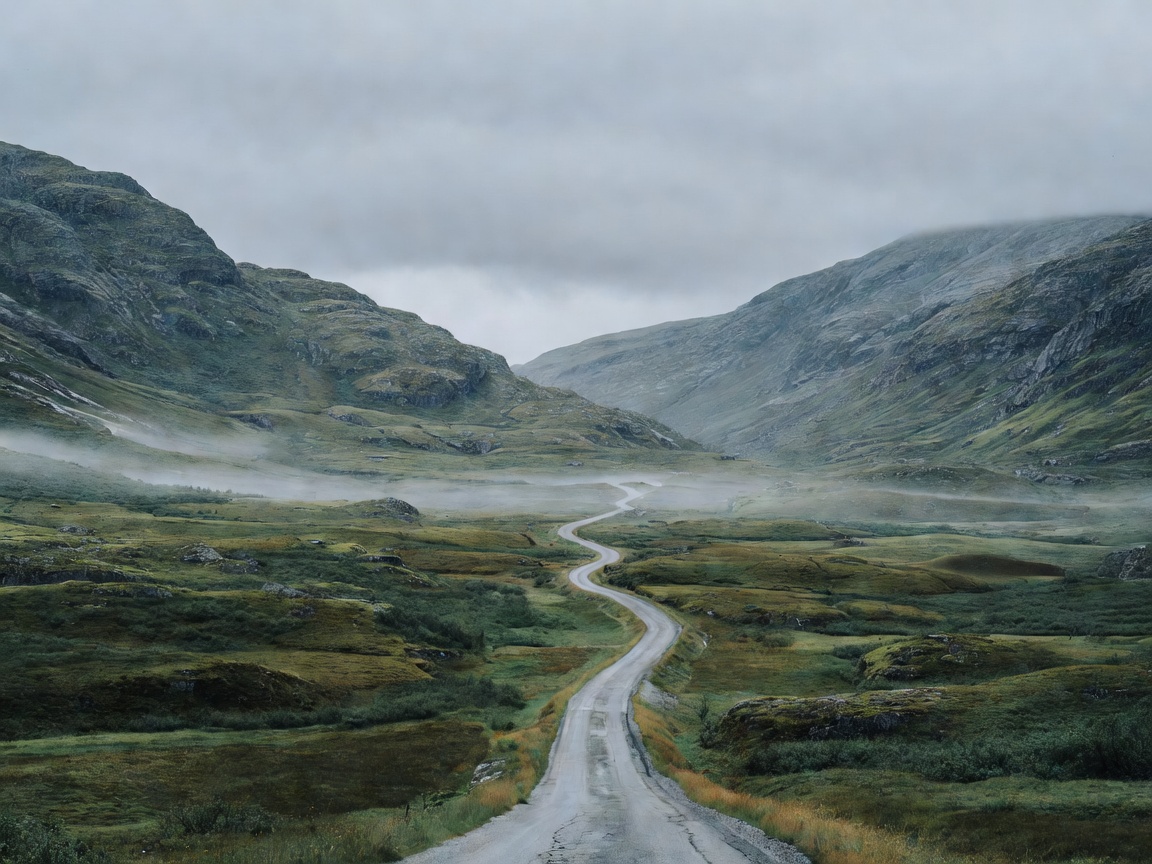
You do not need to imagine every possible emergency to make a better decision. Start with common disruptions: a delayed flight, an unavailable transfer, a lost phone charge or a shop closing before you arrive. Ask who can be contacted, which communication methods work at the property and what supplies are already provided.
Leave enough flexibility for the transport chain to recover from delays. Know the cancellation and interruption terms before committing to non-refundable connections. Insurance cover varies, particularly for weather disruption and activities; read the policy rather than assuming that “remote travel” is included.
Finally, separate a staffed retreat from an unstaffed wilderness hut. Bedding, water, food, heating and cleaning may be entirely different arrangements. A realistic match between expectations and provision is often what turns an isolated setting into a genuinely restful stay.
Check the arrival questions