Energy
What fuels provide heat and hot water? Are consumption figures measured, and do they include backup generation? Renewable electricity alone does not describe the full energy system.
Wilderness appeal. Practical perspective.
Field guide / Land and responsibility
A small cabin is not automatically a small intervention. Look at the whole chain—from the ground beneath the building to the journey that brings you there.
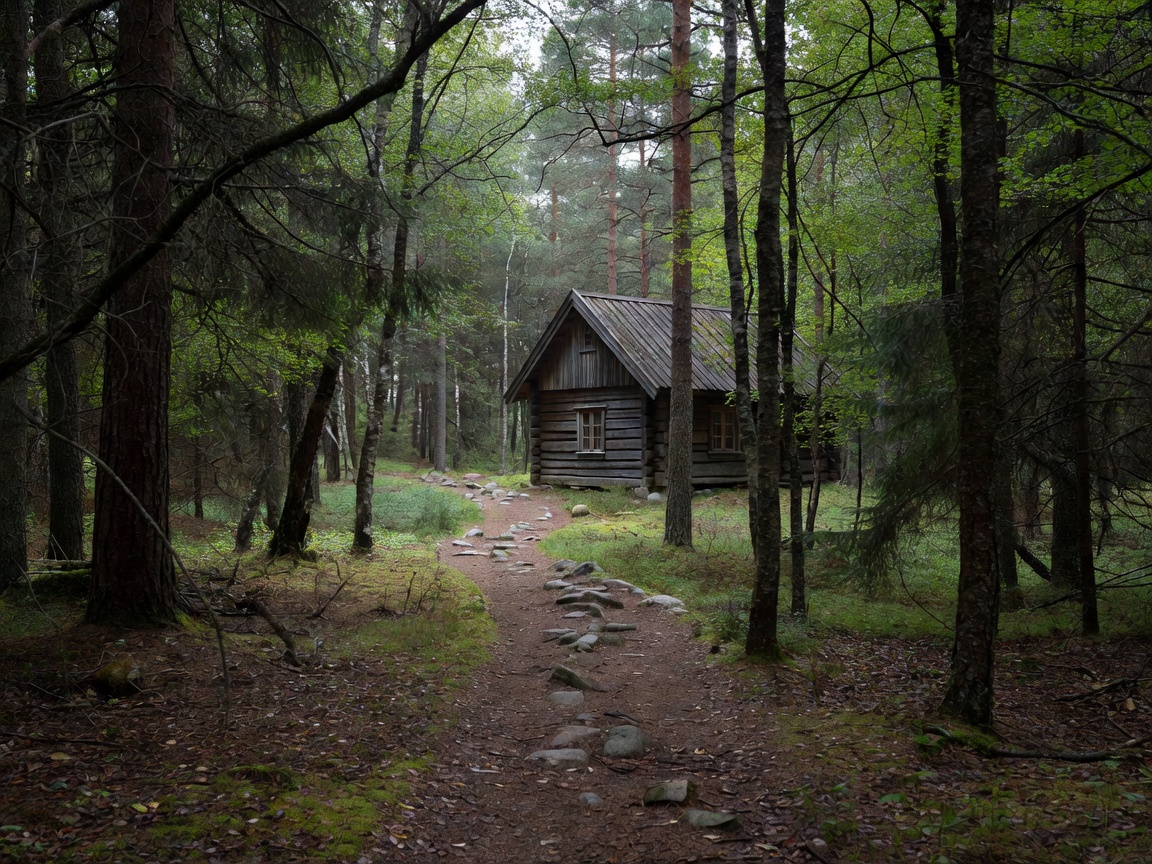
The visible building is only part of a retreat’s footprint. New access roads, trenches, drainage, construction traffic and utility areas can extend the disturbance well beyond its walls. On sensitive ground, a modest-looking cabin may require more intervention than an existing building in an established settlement. Reusing a suitable structure can therefore be worth considering alongside a new architectural destination.
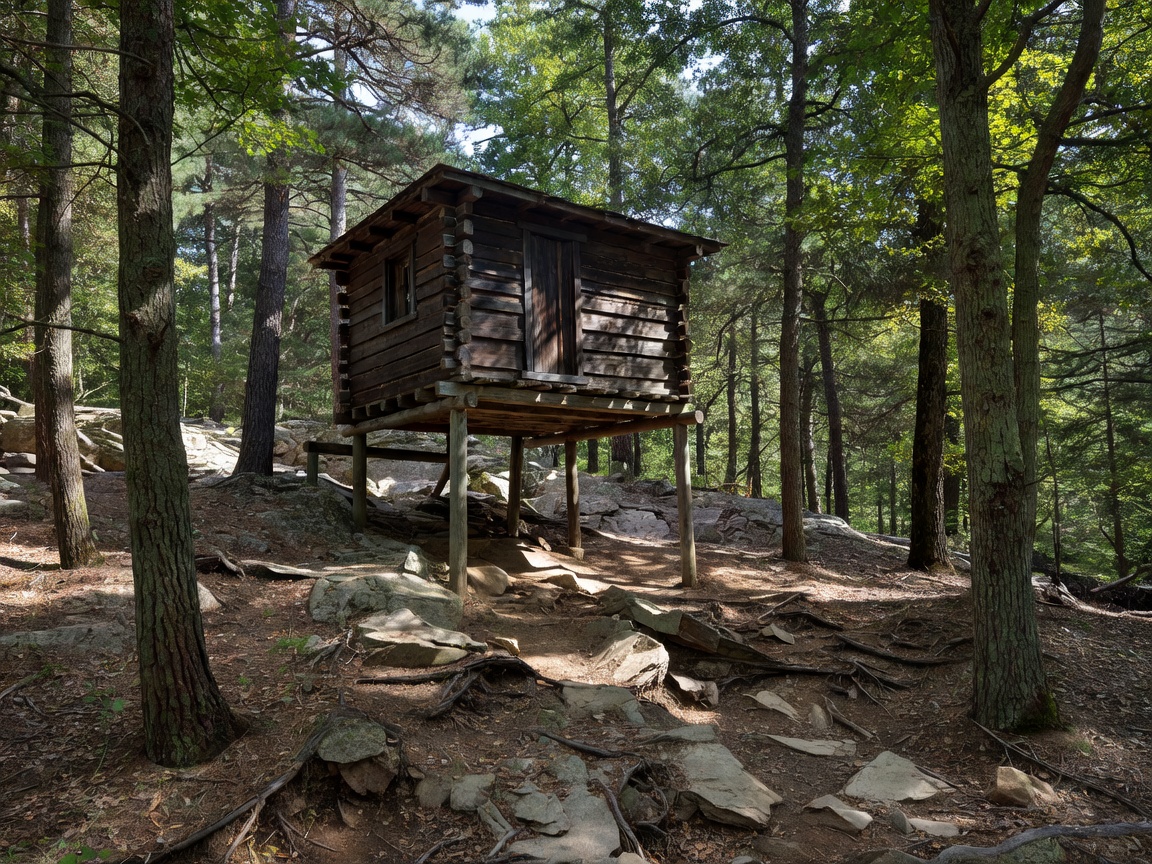
Raised foundations or screw piles may reduce some forms of excavation in certain conditions, but their suitability depends on geology, structural loads, frost and environmental constraints. No foundation type is universally low impact. Ask whether a project explains its site decisions and what happens when the building reaches the end of its useful life.
Peatlands, nesting areas and fragile vegetation need particular care. A picturesque open landscape is not necessarily robust ground for repeated foot traffic. Staying on an established route may feel less adventurous, but it can prevent a widening network of informal paths around a popular view.
Timber can offer useful structural and environmental qualities, but “wooden” is not a complete sustainability statement. Sourcing, processing, durability, transport and maintenance all affect the picture. A material that lasts well in one exposure may require frequent replacement in another. Repairable details and a realistic maintenance plan can matter as much as an appealing initial specification.
Prefabrication may improve quality control and reduce time spent building on site. It can also introduce transport constraints, lifting operations and standardised components that still need careful adaptation to local conditions. A prefabricated cabin is not automatically removable without trace, especially where services and access infrastructure remain behind.
Look for the scope of any assessment. ISO 14040 provides a framework for life-cycle assessment, but mentioning a standard does not establish that a particular retreat has been assessed or certified. Operational energy, embodied impacts and end-of-life assumptions need to be distinguished. We do not calculate or certify the footprint of the properties discussed here.
What fuels provide heat and hot water? Are consumption figures measured, and do they include backup generation? Renewable electricity alone does not describe the full energy system.
Where does drinking water come from, how is wastewater treated and who removes solid waste? Remote servicing can involve significant transport and labour.
Is a certification current, relevant to this property and independently verifiable? A clear operational explanation is better than an unsupported “zero impact” label.
Useful reference points include the Nordic Swan Ecolabel and Green Key. Their criteria and coverage differ. A scheme’s existence is not evidence that a named retreat participates, and certification does not eliminate every impact. Check the scheme’s own listings and the precise scope of a property’s claim.
Comparisons also need a fair basis. Per-night figures can be influenced by occupancy, shared facilities and seasonal operation. Ask whether travel to the destination is included before comparing an isolated cabin with a hotel near public transport.
Nordic wilderness is not empty land. It can be a workplace, a grazing area, a cultural landscape and a home. In Sápmi, Sámi livelihoods and reindeer husbandry are part of that context. Access rights do not remove responsibilities, and local restrictions or protected-area rules may be more specific than a broad national description of outdoor freedom.
Check official local guidance before walking, camping, flying a drone or lighting a fire. Keep distance from animals and avoid treating signs of working land as scenic props. Ask permission where required, respect closures and use existing routes. An accommodation booking does not grant unrestricted access to neighbouring land.
The journey also deserves attention. Where practical, consider established rail or bus links, combine destinations thoughtfully and avoid unnecessary repeated transfers. A longer stay can spread some fixed travel demands across more nights, but does not erase the journey’s impact. The useful aim is a considered choice, not a claim of perfect innocence.
Ask a more specific question